The companion ordinance enacted in March, broadening permitted uses in designated Historic Buildings citywide, may matter most in practice. Landmark status without economic viability is a hollow protection. By expanding what can legally happen inside a designated historic structure, the Board is trying to close the gap between cultural protection and financial reality — treating preservation not as a constraint on development but as a framework for it. In May that argument found its clearest proof point: the Board authorized OEWD to accept $5 million from the California Natural Resources Agency for the preservation and revitalization of the Castro Theatre, one of the city’s most important LGBTQ cultural venues, through December 2027.
The Board’s parallel work on living cultural spaces reflects the same logic. Four entertainment zones — Fisherman’s Wharf, Glen Park, Upper Fillmore, and the Downtown Hospitality Zone, finally enacted in May, — are less glamorous than landmark plaques, but they address something plaques cannot: the regulatory friction that makes it difficult to run a music venue, host a street fair, or keep a neighborhood corridor culturally alive.
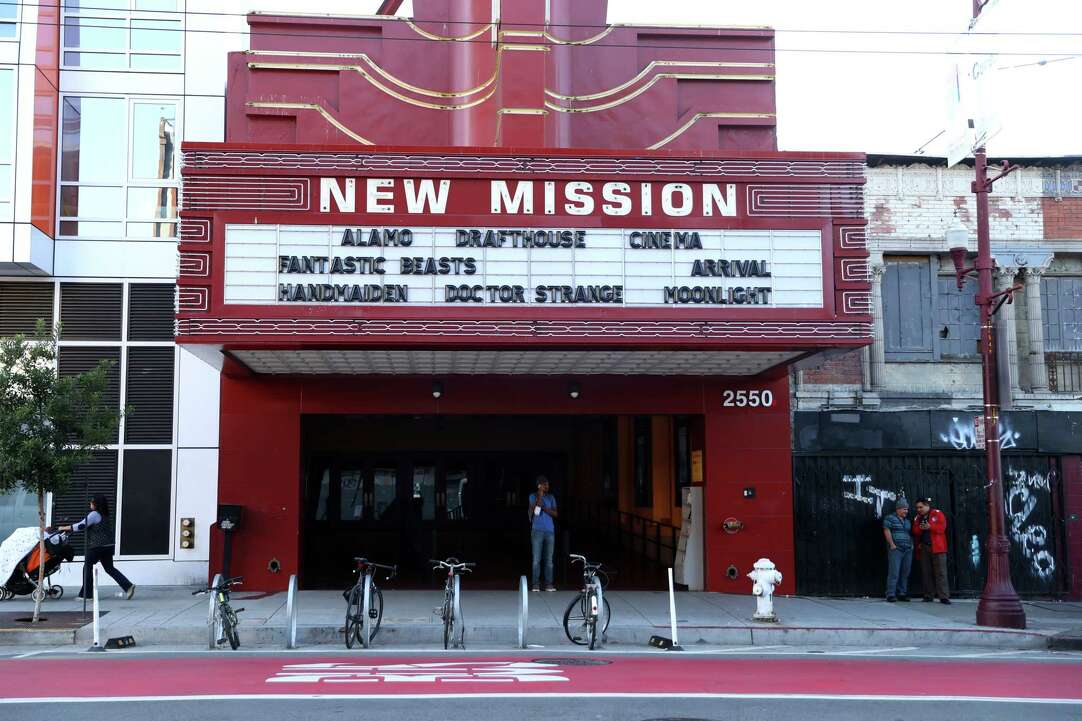
The movie theater alcohol ordinance enacted in February makes the same point more precisely. Independent cinemas have been closing for years — not because people have stopped wanting them, but because exhibition economics alone no longer work. Allowing theaters to serve alcohol and host cultural programming acknowledges that survival requires layering revenue streams, and that a cinema-bar-event space is a legitimate cultural institution, not a loophole.
The same Board that moved aggressively to protect the physical record of queer and immigrant history declined to intervene for one of the most significant works of public sculpture in the civic core. The precedent is worth watching.
The Board’s cultural district work has been less about creating new institutions than about drawing lines on a map and declaring that what exists inside them matters. The establishment of the Pacific Islander Cultural District in Visitacion Valley and Sunnydale, and the resolution of intent for a Sunset Irish Cultural District are acts of naming — and naming, in city policy, is a precursor to protection. In May the Board extended that logic further: a resolution commemorating the 140th anniversary of Yick Wo v. Hopkins expressed support for placemaking honoring Chinese American civil rights history, and a commemorative street naming on Julian Avenue put Helen Waukazoo, founder of Friendship House, permanently into the city’s geographic record.
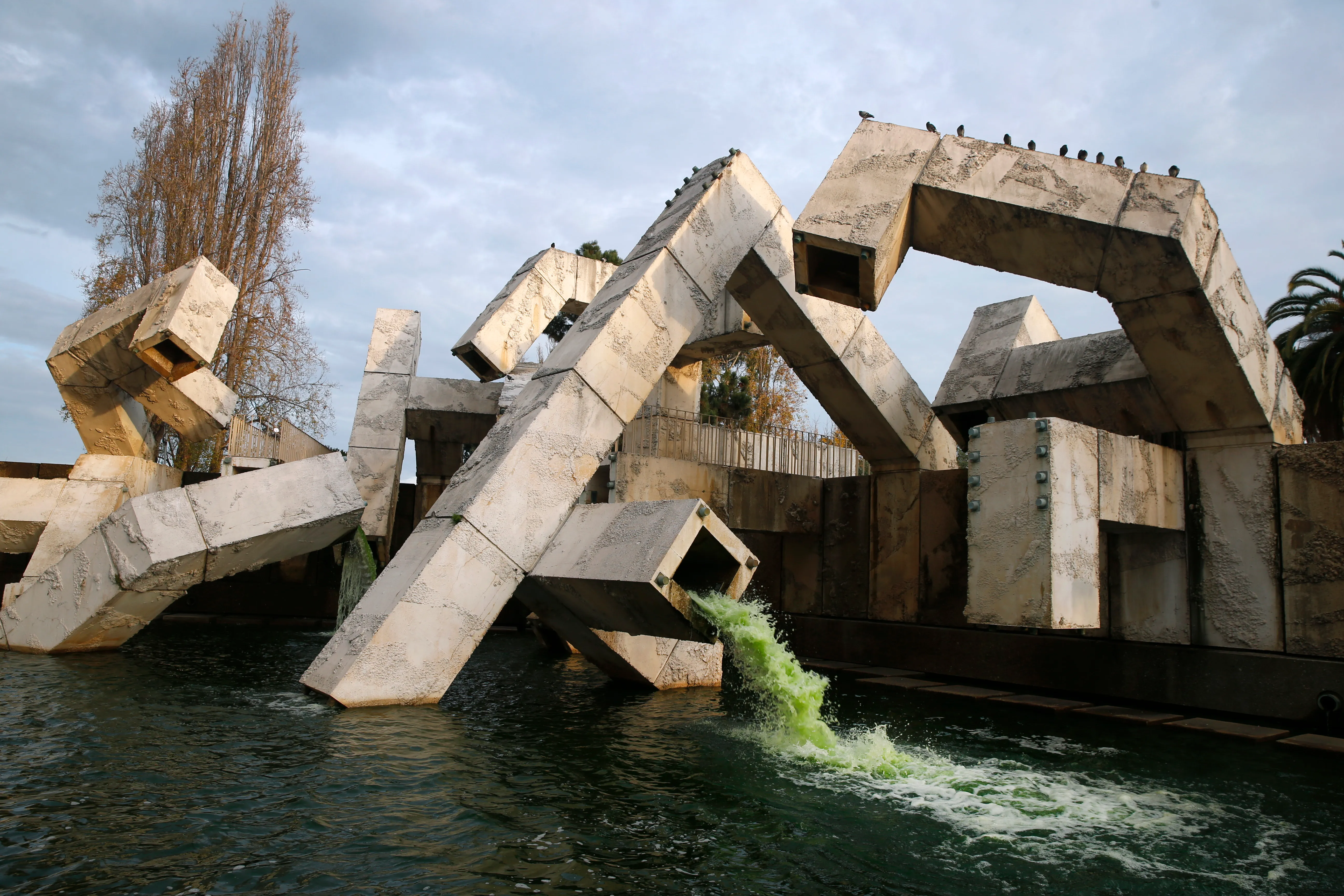
The exception to the session’s preservation instincts is instructive. The Board voted 10-1 in January to affirm the Planning Department’s CEQA exemption for the removal of the Vaillancourt Fountain at Embarcadero Plaza, clearing the path for Recreation and Parks to disassemble Armand Vaillancourt’s sculpture over significant public opposition. Supervisor Fielder dissented alone. The outcome exposes a real gap in the city’s cultural protection framework: public art lacks the procedural defenses of Article 10 landmark status and can be removed through administrative processes far easier to clear than a full historic preservation review.
Threading through all of this has been a steady accumulation of cultural recognition — Ruth Asawa Day, Val Caniparoli’s 54 years with the San Francisco Ballet, La Casa de las Madres at 50, Queer and Transgender AAPI Week, HIV Long-Term Survivors Awareness Day. These moments are doing something real: populating the official record with a version of San Francisco’s cultural life that includes artists, organizers, and neighborhood institutions alongside the more familiar landmarks of civic history.